

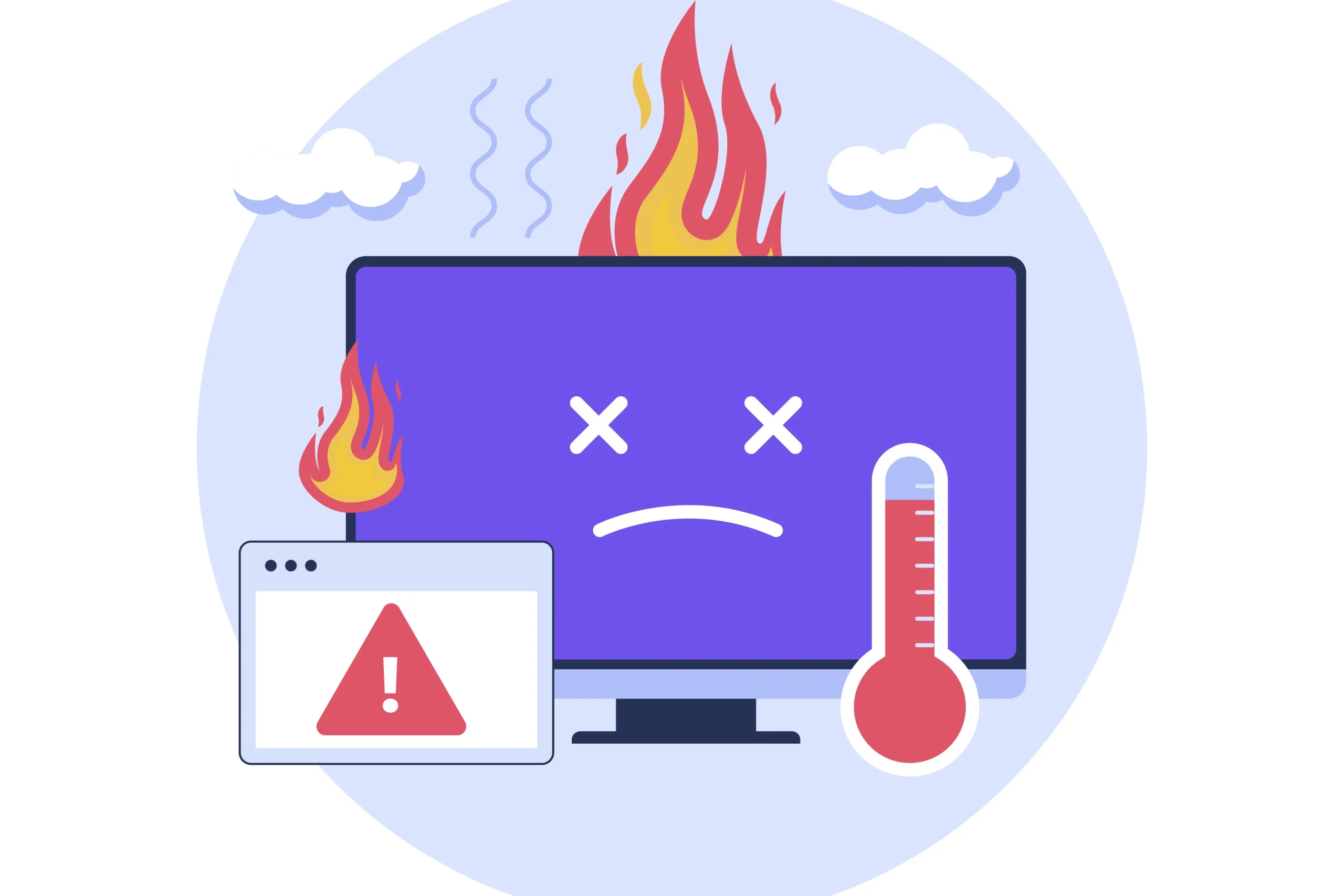
Computer overheating is one of the most common causes of slow performance, random shutdowns, system crashes, and long-term hardware damage. Whether you use a desktop PC, gaming computer, workstation, or laptop, excessive heat can reduce performance and shorten the lifespan of critical components such as the CPU, GPU, motherboard, SSD, and power supply.
If you’re searching for effective computer overheating fixes, this guide explains the most common causes, warning signs, troubleshooting steps, cooling solutions, and preventive maintenance practices that can help keep your computer running efficiently.
Quick Answer
The most effective computer overheating fixes include cleaning dust from fans and vents, improving airflow, replacing dried thermal paste, updating drivers, reducing background processes, and upgrading cooling components when necessary.
If overheating continues despite basic troubleshooting, professional diagnostics may be required to identify failing fans, damaged cooling systems, motherboard issues, or power-related problems.
Key Takeaways
- Dust buildup is one of the leading causes of computer overheating.
- Poor airflow and blocked vents can dramatically increase internal temperatures.
- Dried thermal paste reduces heat transfer from the CPU and GPU.
- Overheating can cause performance throttling, crashes, and hardware failure.
- Regular cleaning and cooling maintenance can extend computer lifespan.
- Gaming PCs and high-performance workstations require more aggressive cooling solutions.
- Monitoring temperatures helps identify problems before permanent damage occurs.
Why Computers Overheat
Every computer generates heat during normal operation. The harder your processor and graphics card work, the more heat they produce.
When cooling systems cannot remove heat efficiently, temperatures begin to rise and performance starts to suffer.
Common causes include:
- Dust-clogged cooling fans
- Blocked air vents
- High CPU usage
- GPU-intensive applications
- Dried thermal paste
- Faulty cooling fans
- Poor airflow inside the PC case
- Hot ambient temperatures
- Aging hardware
- Malware or background software consuming resources
Over time, excessive heat can damage internal components and lead to costly repairs.
Signs Your Computer Is Overheating
Many users don’t realize their computer is overheating until performance problems become obvious.
Common symptoms include:
Loud Fan Noise
Cooling fans often run at maximum speed when temperatures become too high.
Slow Performance
Modern processors automatically reduce performance to lower temperatures, a process known as thermal throttling.
Random Shutdowns
Computers may shut down automatically to protect internal components from heat damage.
Blue Screen Errors
Frequent system crashes or blue screen errors can sometimes be linked to overheating hardware.
Excessively Hot Surfaces
If the keyboard, chassis, or exhaust vents feel unusually hot, cooling problems may be developing.
Gaming Performance Drops
Sudden FPS drops, stuttering, or lag during gaming often indicate thermal throttling.
Computer Overheating Fixes You Can Try
Clean Dust from Fans and Vents
Dust is the most common reason computers overheat.
Over time, dust accumulates inside:
- CPU coolers
- GPU heatsinks
- Case fans
- Air vents
- Power supply units
Use compressed air to remove dust carefully from cooling components.
For heavily contaminated systems, internal cleaning may be required.
Improve Airflow Around the Computer
Proper airflow plays a major role in temperature management.
To improve airflow:
- Keep vents unobstructed
- Avoid placing the computer against walls
- Use hard, flat surfaces for laptops
- Ensure sufficient clearance around exhaust vents
- Maintain a clean working environment
Good airflow allows heat to escape efficiently.
Check CPU and GPU Usage
Sometimes overheating is caused by software rather than hardware.
Open Task Manager and identify applications consuming excessive resources.
High CPU usage may result from:
- Browser tabs
- Video editing software
- Malware
- Background updates
- Startup applications
Closing unnecessary programs can immediately reduce temperatures.
Replace Thermal Paste
Thermal paste transfers heat from the processor to the heatsink.
Over time it dries out and becomes less effective.
Replacing thermal paste can significantly improve cooling performance, particularly on older computers and gaming systems.
Update Drivers and System Software
Outdated drivers can cause inefficient hardware operation and increased temperatures.
Keep the following updated:
- Graphics drivers
- Chipset drivers
- BIOS firmware
- Windows updates
Software optimizations often improve power efficiency and cooling performance.
Cooling Solutions for Gaming PCs
Gaming computers generate substantially more heat than standard systems.
Popular cooling upgrades include:
High-Performance Air Coolers
Modern tower coolers provide excellent cooling for gaming CPUs.
Liquid Cooling Systems
AIO liquid coolers and custom water cooling loops offer superior heat dissipation.
Additional Case Fans
Adding intake and exhaust fans improves airflow and reduces internal temperatures.
GPU Cooling Optimization
Cleaning GPU heatsinks and adjusting fan curves can help reduce graphics card temperatures during intensive gaming sessions.
Laptop Overheating Fixes
Laptops face unique cooling challenges because of their compact design.
To reduce laptop temperatures:
- Clean cooling vents regularly
- Use a cooling pad
- Avoid soft surfaces like beds and sofas
- Reduce unnecessary background applications
- Lower graphics settings during gaming
- Keep the laptop in a cool environment
If temperatures remain high, internal fan cleaning or thermal paste replacement may be required.
For professional assistance, consider laptop repair services to diagnose persistent overheating issues.
How Dubai’s Climate Can Increase Overheating Risks
Users in Dubai and other hot regions often experience overheating more frequently because ambient temperatures are already elevated.
Factors include:
- High outdoor temperatures
- Dust accumulation
- Air conditioning fluctuations
- Prolonged device usage
Keeping devices clean and properly ventilated becomes even more important in hot climates.
Preventing Future Overheating Problems
Prevention is always easier than repair.
Follow these maintenance habits:
Clean Your Computer Regularly
Perform internal cleaning every few months depending on your environment.
Monitor System Temperatures
Software tools can help monitor:
- CPU temperature
- GPU temperature
- Fan speed
- System load
Maintain Proper Ventilation
Never block cooling vents or exhaust areas.
Avoid Continuous High Loads
Allow your system to cool periodically during intensive tasks.
Schedule Preventive Maintenance
Routine inspections help identify failing fans, degraded thermal paste, and airflow problems before serious damage occurs.
When to Seek Professional Help
DIY solutions can resolve many overheating issues, but professional repair may be necessary if:
- Overheating persists after cleaning
- Fans stop spinning
- The system shuts down frequently
- Thermal throttling continues
- The computer emits burning smells
- Hardware temperatures remain unusually high
Professional technicians can perform advanced diagnostics and cooling system repairs to restore safe operating temperatures.
For expert diagnostics and repairs, Milaaj Repairs provides professional solutions for desktops, laptops, gaming PCs, and workstations.
Should You Upgrade or Replace an Aging Computer?
Sometimes repeated overheating indicates aging hardware that may no longer meet your requirements.
Consider upgrading if:
- Repairs become frequent
- Performance remains poor
- Cooling systems are no longer effective
- Newer hardware offers better efficiency
If you’re planning an upgrade, you can also explore sell your old computer for cash and put its value toward a newer, more efficient device.
Final Thoughts
Computer overheating is more than a temporary inconvenience. Left unresolved, excessive heat can cause performance degradation, hardware failures, data loss, and expensive repairs.
Fortunately, most overheating issues can be prevented through regular cleaning, improved airflow, thermal maintenance, software optimization, and proper cooling upgrades. By addressing temperature problems early, you can extend your computer’s lifespan, improve performance, and avoid costly downtime.
Frequently Asked Questions
What temperature is too hot for a computer?
Generally, CPU temperatures above 85–90°C and GPU temperatures above 85°C during sustained workloads may indicate cooling problems.
Can overheating damage a computer permanently?
Yes. Long-term overheating can damage processors, graphics cards, motherboards, SSDs, and power delivery components.
How often should I clean my computer?
Most computers benefit from cleaning every 3–6 months, especially in dusty environments.
Does overheating slow down a computer?
Yes. Modern processors automatically reduce performance through thermal throttling when temperatures become too high.
Can thermal paste really reduce temperatures?
Absolutely. Replacing old thermal paste can significantly improve heat transfer and lower operating temperatures.
Are cooling pads effective for laptops?
Yes. Quality cooling pads can improve airflow and reduce temperatures, particularly during gaming or intensive workloads.
Why does my computer overheat while gaming?
Gaming places heavy demands on the CPU and GPU, generating substantial heat. Poor airflow, dust buildup, or inadequate cooling often contribute to overheating during gaming sessions.
Should I repair or replace an overheating computer?
If the issue is limited to cooling components, repair is usually cost-effective. However, older systems with multiple hardware problems may be better candidates for replacement.


Leave a Reply